



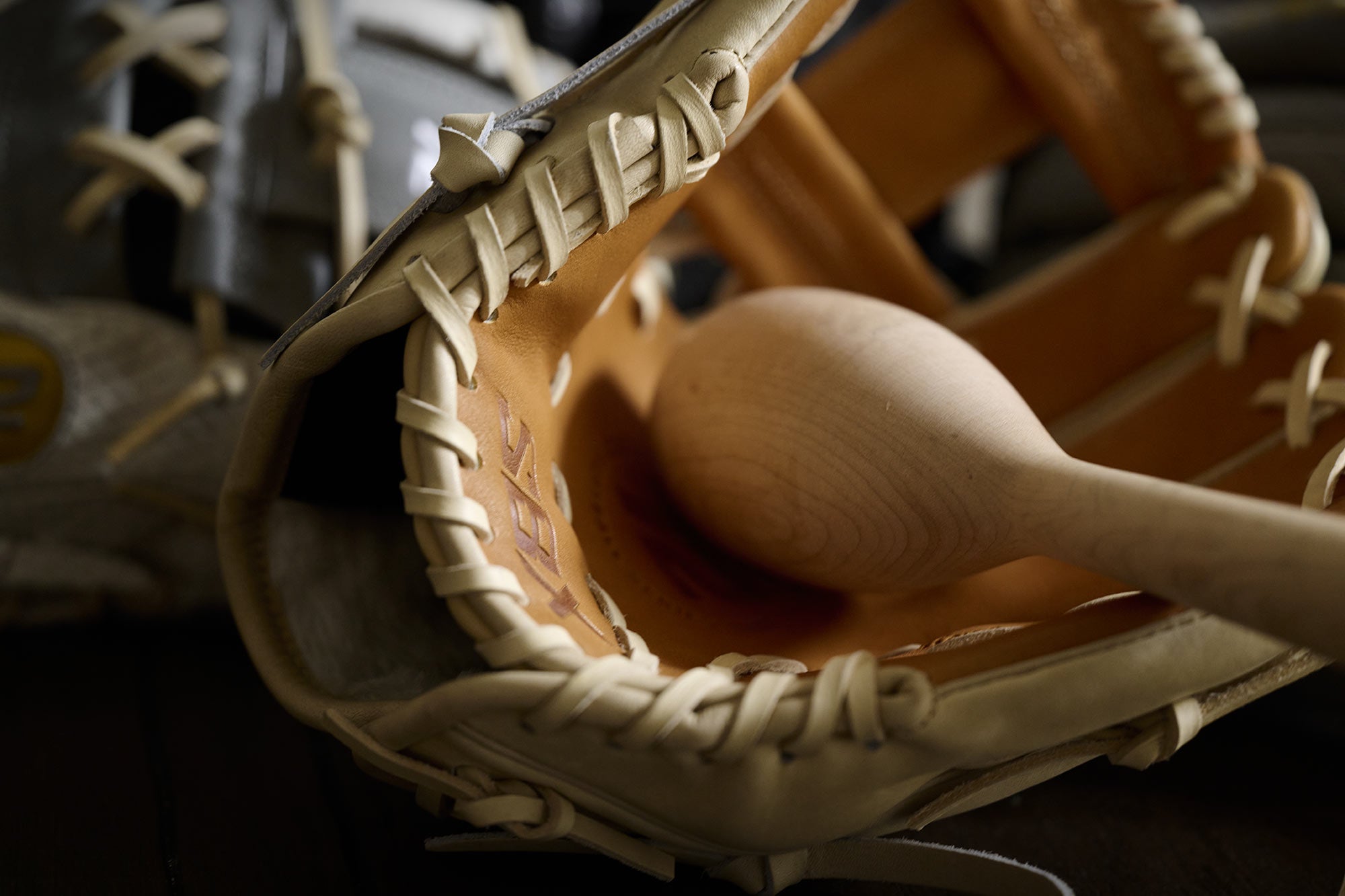


Softball Glove Care & Maintenance: How to Make Your Glove Last Longer
Softball Glove Care & Maintenance: How to Make Your Glove Last Longer
A quality fastpitch softball glove is an investment in your game. Whether you're playing competitive travel ball, high school, or college softball, proper glove care can make a significant difference in how your glove performs and how long it lasts.
Premium leather gloves are designed to withstand demanding play, but even the highest-quality leather requires maintenance.
At SBX Fastpitch, our ProKip, ProHide, and SoftHide glove collections are crafted with different premium leathers. While each has unique characteristics, they all benefit from proper cleaning, storage, and maintenance.
In this guide, we'll explain how to clean your softball glove, condition the leather, maintain its shape, and avoid common mistakes that can shorten its lifespan.
1. Why Softball Glove Maintenance Matters
Your softball glove is exposed to dirt, dust, sweat, moisture, and changing temperatures every time you step onto the field.
Over time, these elements can affect the leather's flexibility, appearance, and durability.
Without proper maintenance, a glove may develop:
- Dry, stiff, or cracked leather
- Loose or damaged laces
- A flattened or misshapen pocket
- Unwanted odors
- Premature wear around high-contact areas
Regular maintenance helps preserve the glove's structure, flexibility, and overall performance.
The goal isn't to make your glove feel brand new. It's to maintain the feel and shape you've worked hard to develop.
2. How to Clean a Softball Glove
Cleaning your softball glove doesn't need to be complicated.
In fact, one of the biggest mistakes players make is using too much water or applying unnecessary cleaning products.
Step 1: Remove Dirt and Dust
After practices and games, use a clean, dry microfiber cloth or soft-bristle brush to remove dirt from the glove.
Pay particular attention to:
- The palm and pocket
- Finger stalls
- Webbing
- Leather seams
- Areas surrounding the laces
Removing dirt regularly helps prevent buildup that can gradually wear down the leather.
Step 2: Clean Stubborn Dirt
For areas with heavier dirt buildup, lightly dampen a soft cloth with water.
Gently wipe the affected area without saturating the leather.
If necessary, use a small amount of leather cleaner specifically formulated for finished sporting-goods leather, following the manufacturer's directions.
Always test cleaning products on a small, inconspicuous area first.
Avoid household cleaners, detergents, bleach, and harsh chemicals.
Step 3: Allow the Glove to Air-Dry
If your glove becomes damp during cleaning, allow it to dry naturally at room temperature.
Never use:
- Hair dryers
- Clothes dryers
- Ovens
- Direct heaters
- Prolonged direct sunlight
Excessive heat can dry out leather, alter its shape, and potentially damage adhesives or internal components.
3. Should You Condition Your Softball Glove?
Yes, but only when necessary.
Leather conditioners can help maintain flexibility and reduce excessive dryness. However, applying too much conditioner can negatively affect your glove.
Overconditioning may soften areas that should remain structured, leave unwanted residue, or add unnecessary weight.
How Often Should You Condition a Glove?
There isn't a universal conditioning schedule.
How often your glove needs conditioning depends on:
- Frequency of use
- Climate and humidity
- Exposure to dirt and moisture
- Leather type and finish
- How the glove is stored
For many players, occasional conditioning is sufficient.
Rather than conditioning your glove every week or month automatically, inspect the leather and apply conditioner only when it begins to feel excessively dry.
How to Apply Leather Conditioner
- Start with a clean, dry glove.
- Choose a conditioner compatible with your glove's leather and finish.
- Test a small, hidden area first.
- Apply a very thin layer using a soft cloth.
- Focus on areas showing signs of dryness.
- Remove excess product.
- Allow the glove to absorb the conditioner according to the product instructions.
SBX Tip: More conditioner doesn't mean better protection. A small amount applied correctly is usually preferable to saturating the leather.
4. How to Maintain Your Glove's Pocket
One of the most important parts of glove maintenance is preserving the pocket.
Your glove's pocket develops through repeated use and break-in. Once you've established a comfortable pocket, you want to maintain its shape.
Why Pocket Shape Matters
A properly formed pocket helps with:
- Secure ball retention
- Consistent catching
- Comfortable glove closure
- Reliable defensive performance
A flattened or distorted pocket can change how the glove receives and holds the softball.
How to Preserve Your Pocket
When your glove isn't being used, place a softball in the pocket.
You can also use a glove wrap or storage band to help maintain its shape.
However, avoid wrapping the glove so tightly that it creates unnatural creases or permanently distorts the leather.
For infielders who prefer a shallower pocket, maintain the glove's natural shape rather than forcing it into an excessively deep position.
For outfielders and first basemen, preserving pocket depth can be particularly important.
SBX Tip: Store your glove in a position that maintains its natural shape rather than flattening it underneath other equipment.
5. Never Leave Your Softball Glove in a Hot Car
One of the easiest ways to damage a premium leather glove is leaving it inside a vehicle during hot weather.
Interior vehicle temperatures can rise dramatically, particularly during summer tournaments.
Extended exposure to extreme heat may cause leather to:
- Dry out
- Become brittle
- Lose flexibility
- Change shape
- Develop cracks over time
This is especially important for athletes competing in warm climates or attending multiple-day tournaments.
Best Storage Practices
Store your glove:
- In a cool, dry location
- Away from direct sunlight
- Away from heaters and vents
- With its pocket supported
- Without heavy equipment stacked on top
Avoid leaving your glove in the trunk or back seat between tournaments.
6. What to Do When Your Glove Gets Wet
Rain, wet grass, and muddy fields are part of softball.
Even if you take excellent care of your equipment, your glove will eventually encounter moisture.
The important thing is how you handle it afterward.
How to Dry a Wet Softball Glove
Step 1: Gently remove excess moisture using a clean, absorbent towel.
Step 2: Remove any loose dirt or mud without aggressively rubbing it into the leather.
Step 3: Open the glove and allow air to circulate naturally.
Step 4: Let the glove dry at room temperature, away from direct heat.
Step 5: Once completely dry, inspect the leather for excessive stiffness or dryness.
If necessary, apply a small amount of leather conditioner compatible with the glove's finish.
Avoid using heat to speed up the drying process.
Can Water Ruin a Softball Glove?
Brief exposure to moisture doesn't ruin a glove.
However, prolonged saturation or improper drying can damage leather and affect the glove's shape.
The sooner you properly dry your glove, the better.
7. How to Care for Japanese Kip and U.S. Kip Leather
At SBX Fastpitch, we offer two premium kip leather collections:
SBX ProKip — Premium Japanese Kip Leather
SBX ProHide — Premium U.S. Kip Leather
Both are designed for competitive fastpitch softball and benefit from similar maintenance practices.
Caring for SBX ProKip
ProKip features premium Japanese kip leather.
To maintain your ProKip glove:
- Remove dirt after games and practices.
- Avoid excessive moisture.
- Use leather conditioner sparingly and only when needed.
- Maintain the pocket's natural shape.
- Store away from extreme heat.
- Inspect laces regularly.
Proper care helps preserve the leather's feel, flexibility, and structure.
Caring for SBX ProHide
ProHide features premium U.S. kip leather.
Like Japanese kip, U.S. kip benefits from regular cleaning and proper storage.
For ProHide:
- Wipe away dirt and sweat after use.
- Avoid soaking the leather.
- Allow the glove to dry naturally.
- Condition only when necessary.
- Maintain pocket shape during storage.
- Protect the glove from extreme temperatures.
Does Japanese Kip Require More Maintenance Than U.S. Kip?
Not necessarily.
Neither leather type automatically requires more maintenance simply because of its origin.
The specific tanning process, finish, leather thickness, and playing conditions influence maintenance requirements.
Both SBX ProKip and ProHide should be treated as premium leather equipment.
8. How to Maintain SBX SoftHide Gloves
The SBX SoftHide Series is designed for younger and developing fastpitch athletes.
SoftHide uses premium cowhide leather selected to provide a softer, more manageable glove feel.
Although SoftHide is designed with younger players in mind, proper maintenance is still important.
SoftHide Maintenance Tips
- Wipe down the glove after practices.
- Keep it away from excessive moisture.
- Avoid unnecessary leather conditioner.
- Maintain the pocket shape.
- Store it properly between games.
- Inspect laces and seams for wear.
For younger players, developing a simple glove-care routine can help build good habits that carry into competitive softball.
9. Check Your Glove Laces Regularly
Leather isn't the only component that requires attention.
Your glove's laces play an important role in maintaining its structure.
Over time, laces may loosen, stretch, or become damaged.
Signs Your Glove May Need Relacing
- Frayed or cracked laces
- Loose webbing
- Excessive movement between glove sections
- Broken lace ends
- A pocket that no longer holds its shape
If you notice these issues, consider having the glove professionally relaced.
Replacing worn laces can help extend the useful life of an otherwise well-maintained glove.
Avoid waiting until a lace breaks during a game.
10. Common Softball Glove Care Mistakes
Even experienced players sometimes develop habits that can damage their gloves.
Here are some of the most common mistakes to avoid.
Using Too Much Conditioner
Excessive conditioner can soften leather unnecessarily, leave residue, and potentially change the glove's feel.
Leaving Gloves in Hot Vehicles
Extreme temperatures can dry out leather and negatively affect its structure.
Soaking Gloves in Water
Water saturation can damage leather and internal components.
Using Harsh Household Cleaners
Products not intended for finished leather may damage the glove's surface.
Storing Gloves Under Heavy Equipment
Crushing your glove inside an equipment bag can flatten the pocket and distort its shape.
Ignoring Damaged Laces
Loose or broken laces can affect glove structure and performance.
Trying to Make a Glove Too Soft
A premium softball glove needs enough flexibility to close comfortably while maintaining the structure necessary for reliable fielding.
Over-softening can compromise that balance.
11. Softball Glove Maintenance Checklist
Use this simple routine to keep your glove in excellent condition throughout the season.
| When | Maintenance Task |
|---|---|
| After Every Game | Remove dirt and dust |
| After Every Practice | Wipe down the glove and inspect for moisture |
| After Wet Conditions | Air-dry naturally |
| Weekly During Heavy Use | Inspect laces, seams, and pocket shape |
| As Needed | Apply a small amount of appropriate leather conditioner |
| Between Tournaments | Store with pocket support |
| During the Offseason | Clean, inspect, and store in a cool, dry location |
A few minutes of maintenance can help protect your glove for seasons to come.
12. Frequently Asked Questions About Softball Glove Care
How often should I oil my softball glove?
Most premium gloves don't require frequent oiling.
Use a leather conditioner compatible with your glove only when needed. Avoid heavy applications of oil, which can add weight and excessively soften the leather.
Can I use Vaseline on my softball glove?
It's generally better to avoid petroleum jelly.
Use a product specifically designed for leather sporting goods and compatible with your glove's finish.
Can I wash my softball glove with soap and water?
Avoid soaking or washing your glove like clothing.
For routine cleaning, use a dry or slightly damp cloth. If additional cleaning is necessary, use an appropriate leather cleaner sparingly.
How do I keep my softball glove from getting stiff?
Keep the glove clean, avoid excessive heat, allow it to dry naturally after exposure to moisture, and condition the leather only when necessary.
Regular use also helps maintain flexibility.
Should I put a softball inside my glove when storing it?
Yes. Placing a softball in the pocket can help preserve its shape during storage.
Avoid wrapping the glove too tightly.
How long should a premium softball glove last?
A quality leather glove can last multiple seasons, but its lifespan depends on usage, maintenance, construction, and playing conditions.
Competitive athletes who practice and play frequently may experience more wear than recreational players.
Is glove conditioner necessary for Japanese kip leather?
Not always.
Japanese kip leather may benefit from occasional conditioning, but it should only be applied when needed and when compatible with the leather's finish.
Is U.S. kip leather durable?
Yes. Quality U.S. kip leather can provide excellent durability when properly maintained.
Like any leather, its lifespan depends on the quality of the material, construction, and care.
Final Thoughts: Take Care of Your Glove, and It Will Take Care of You
Your softball glove is one of the most important pieces of equipment you bring onto the field.
Whether you're using SBX ProKip, ProHide, or SoftHide, proper maintenance helps preserve the glove's structure, comfort, and performance.
You don't need an expensive maintenance routine.
Simple habits like cleaning your glove after games, keeping it dry, maintaining its pocket, and storing it properly can make a meaningful difference.
At SBX Fastpitch, we build gloves for athletes who take their game seriously.
Premium Leather. Proper Care. Long-Lasting Performance.
Explore our collection of premium fastpitch softball gloves and find the right glove for your game.